KLOW Stack
KLOW Stack research peptide. Third-party Certificates of Analysis are published for tested products and batches. Fast UK dispatch. For laboratory research use only.
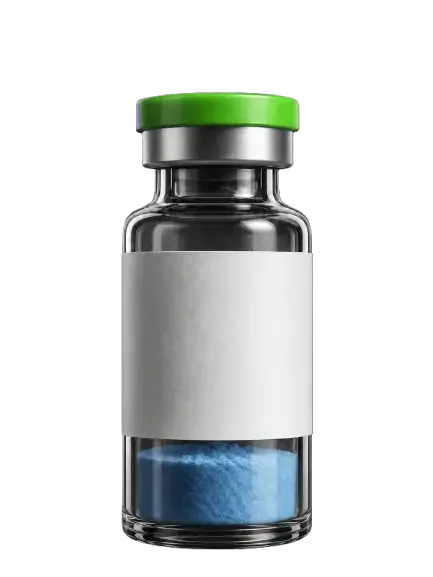
KLOW Stack research peptide. Third-party Certificates of Analysis are published for tested products and batches. Fast UK dispatch. For laboratory research use only.
Available sizes: 80 mg
KLOW is a multi-peptide research blend combining compounds studied for their roles in tissue repair, inflammation modulation, and cellular signalling.
In simple terms, KLOW is explored in research examining how the body coordinates healing, immune response, and structural repair processes across multiple biological pathways.
Because each peptide within the blend targets different mechanisms, KLOW is commonly studied in laboratory models investigating connective tissue repair, inflammatory signalling, and extracellular matrix regulation.
Multi-Pathway Repair Research: Combines peptides studied across several biological repair and recovery pathways.
Inflammation Modulation: Includes components researched for their role in regulating inflammatory signalling.
Tissue & Collagen Support: Studied in models of connective tissue repair and extracellular matrix activity.
Cellular Signalling Coordination: Explores how multiple signalling pathways interact during recovery processes.
KLOW combines peptides that are individually studied for distinct roles in biological systems, including angiogenesis, immune modulation, collagen synthesis, and cellular migration.
Because these pathways are interconnected, the blend is used in research environments to explore how repair signalling, inflammation control, and tissue regeneration processes may function together.
Soft tissue and connective tissue repair models
Inflammation and immune response signalling
Wound healing and recovery pathways
Joint and musculoskeletal research
Multi-pathway regenerative studies
KLOW is studied within the broader category of peptides involved in tissue repair, inflammation modulation, and regenerative signalling.
Researchers exploring these pathways may also investigate compounds such as BPC-157, TB-500, GHK-Cu, and KPV, which are individually studied for their roles in connective tissue repair, extracellular matrix regulation, and inflammatory signalling pathways.
Certificates of Analysis are published for tested products and batches. A certificate is a batch-specific record: it reports what was measured, by which method, on a stated date, against a batch identifier. It is evidence about the sample analysed at the time of analysis, and it is silent on attributes it does not list and on what has happened to the material since.
The batch number is the field that connects the document to a physical vial. Where the identifier on a vial does not appear on a certificate, the certificate does not describe that vial, however thorough the analysis behind it was. Batch records can be searched directly, and the guides below explain what each field establishes and what it does not.
Supplied for laboratory research use only. Not for human or veterinary use.